
Success Story
Custom Software Development & Legacy Modernization for Retail Operations
The Journey: From Operational Friction to Scalable Performance
Brief Case Summary
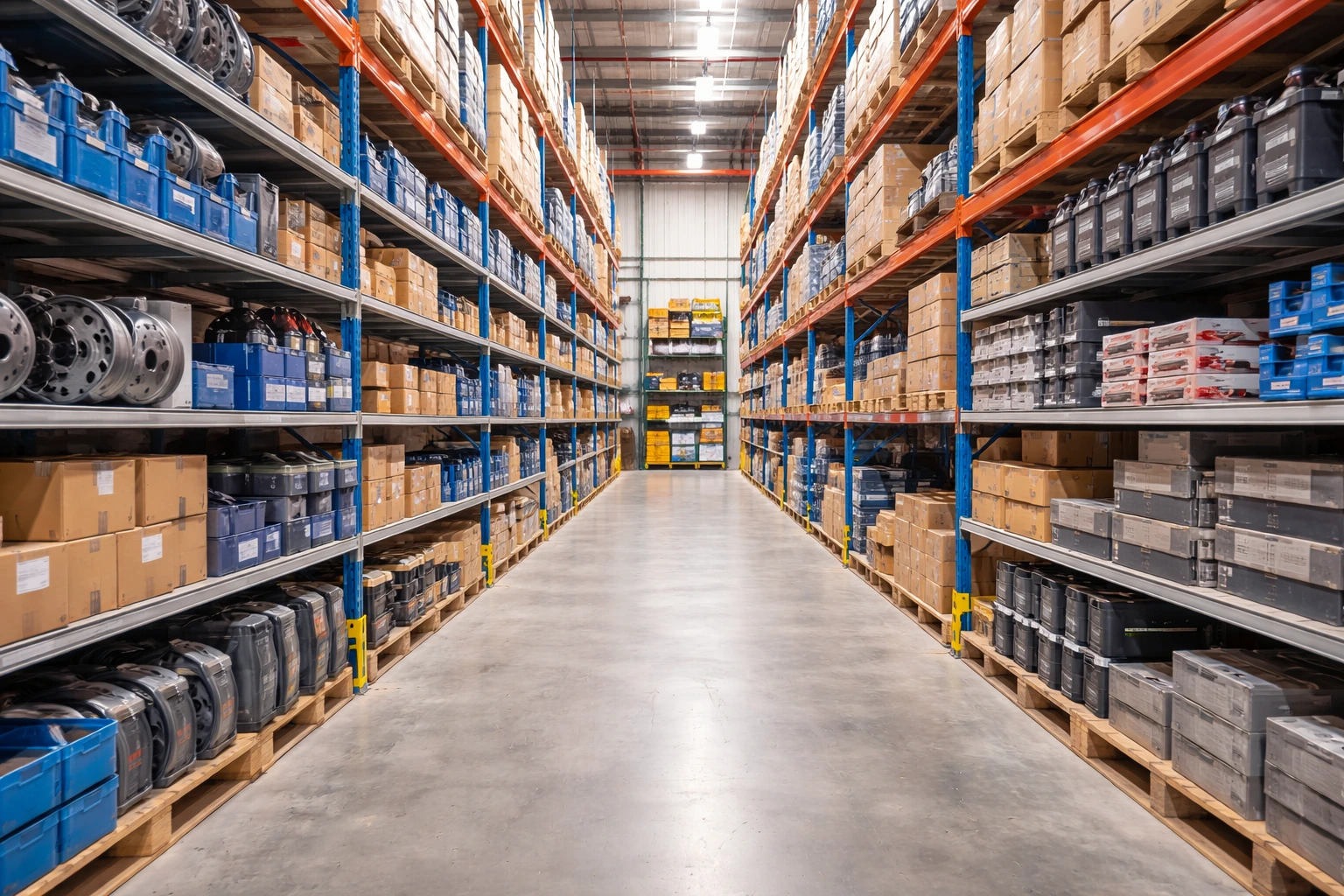
For more than a decade, this auto parts retailer relied on a CRM platform that had become deeply embedded in its daily operations. While the system had supported the business for years, it increasingly struggled to keep up with operational demands, limiting efficiency across Sales, Marketing, and Logistics and forcing teams to rely on manual workarounds.
Fusion IT joined the initiative as a long-term technology partner, working alongside the client to modernize the CRM ecosystem without disrupting critical operations. What began as a focused engagement evolved into a strategic collaboration, transforming a legacy system into a scalable platform that supports day-to-day execution while enabling the business to grow with confidence.
Technical Data Sheet
Engagement Type
Ongoing collaboration (Staff Augmentation)
Project Duration
Ongoing
Delivery Model
Dedicated, cross-functional embedded team
Platform Evolution
From legacy environment built with low-code
CRM platform + ASP / VB-based components.
Frontend: Angular
Backend: .NET
Database: SQL Server
Fusion IT Team
1 Business Analyst
1 Technical Lead
4 Senior Developer
1 Database Administrator
1 Quality Assurance
THE CHALLENGE
When a critical legacy system becomes an operational constraint
The client relied on an aging CRM platform built on legacy technology that had accumulated significant technical and operational constraints over time. While the system was central to the business, supporting core Sales, Marketing, and Logistics processes, it no longer covered the full operational needs of the organization.
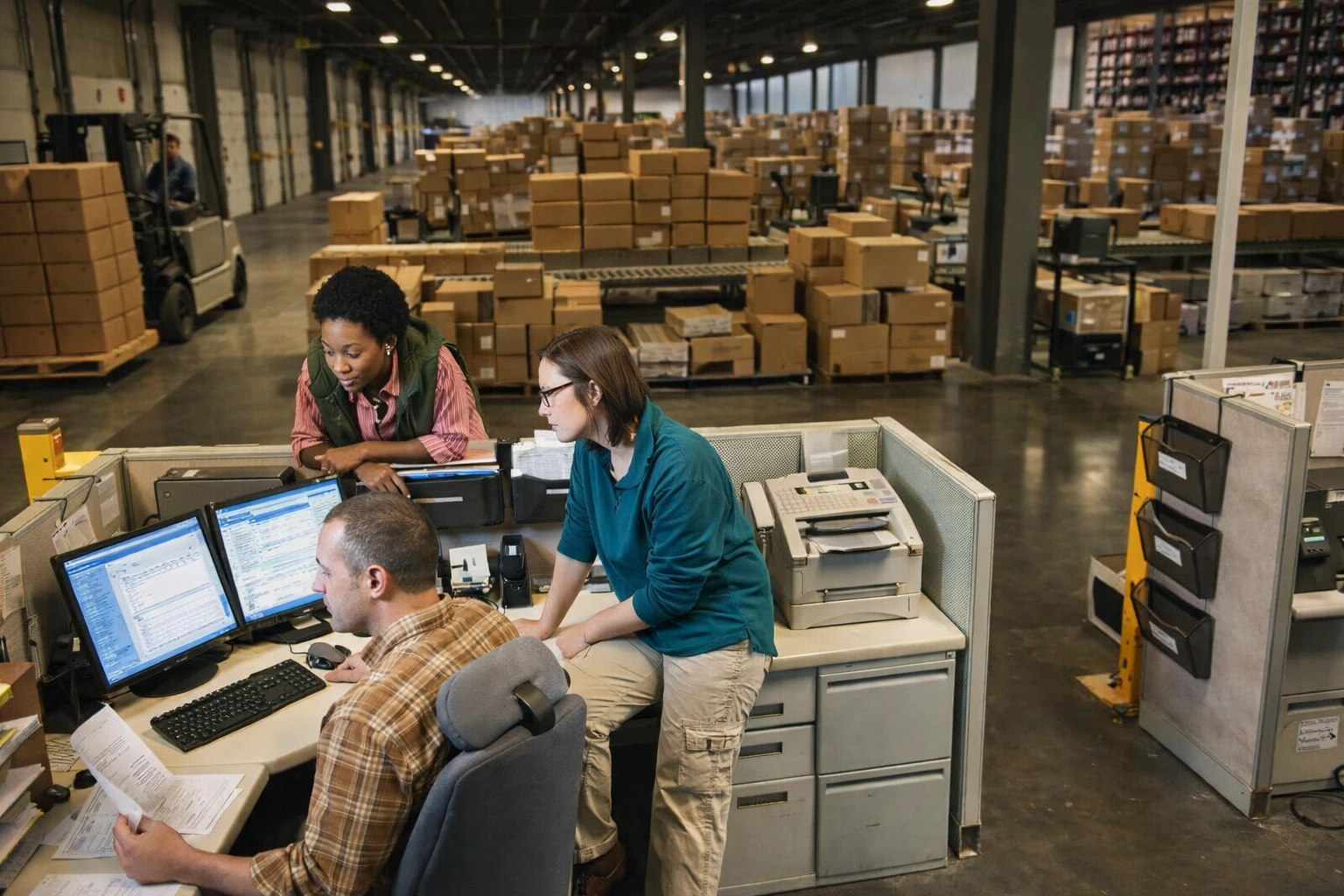
Critical workflows depended on additional manual steps or external tools, increasing friction and operational risk. Key components such as purchase order creation and invoice printing at the warehouse were especially sensitive. When issues occurred, there was no centralized monitoring or early detection, causing delays, manual investigation, and, in some cases, lost sales opportunities.
The lack of visibility, scalability, and flexibility turned day-to-day operations into a reactive process, limiting the company’s ability to grow and adapt efficiently.
THE SOLUTION
Modernizing the Platform While Preserving Business Continuity
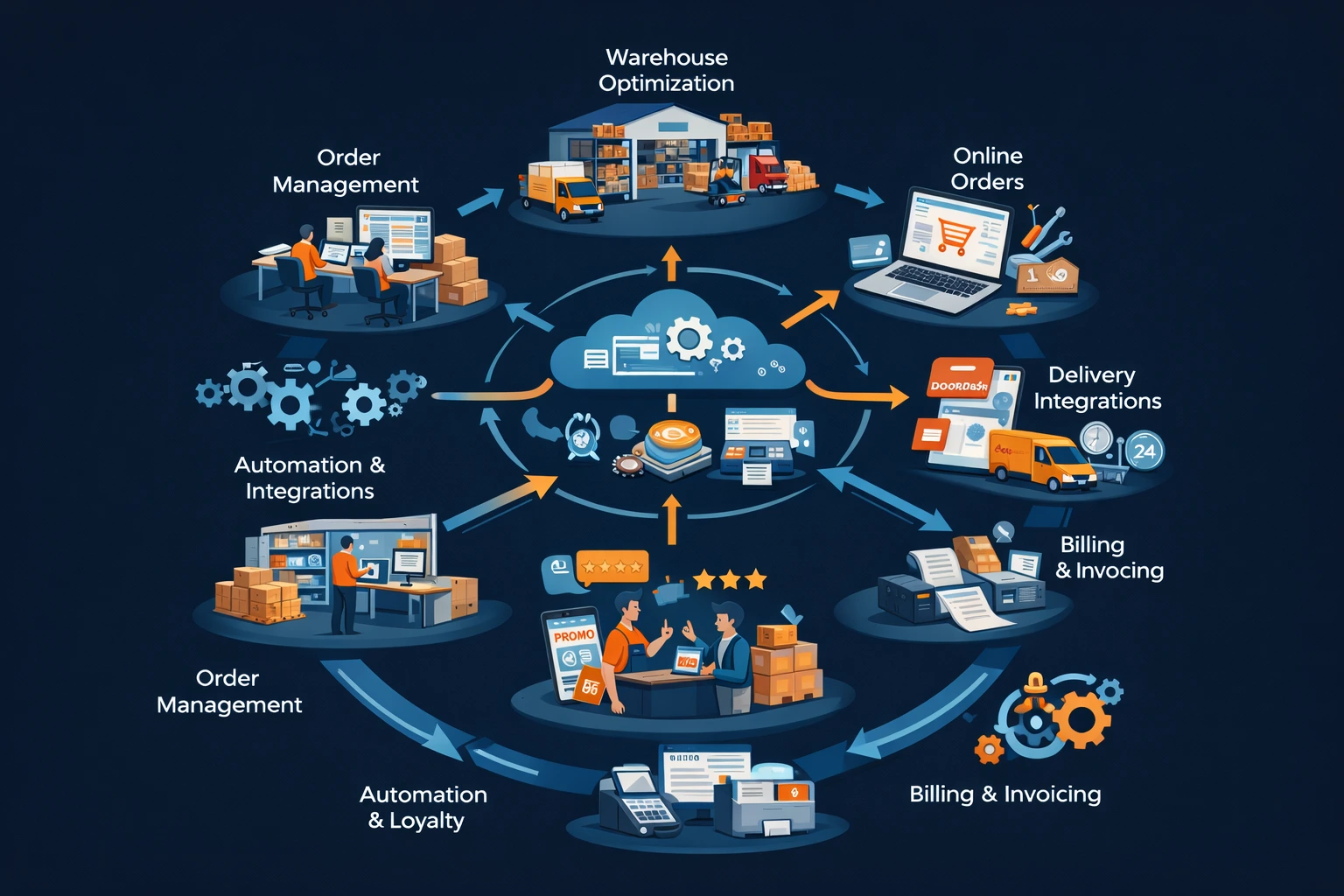
Fusion IT led a gradual but decisive modernization strategy, focused on reducing risk while ensuring business continuity. Critical features within the CRM were fully rewritten as a modern web application, designed to support current operations and future growth.
Beyond the technology stack itself, the real value came from the team behind it. What started as a two-person engagement grew into a specialized, cross-functional team covering databases, infrastructure, integrations, web and mobile development, and project management.
Working in Scrum iterations, the team collaborated closely with the client to prioritize features based on operational impact, not just technical improvement. The new platform introduced clearer workflows, stronger integration control, and a structure that allows the business to evolve without being constrained by its systems.
THE IMPACT
From Operational Friction to Scalable Performance
The modernized CRM eliminated the operational bottlenecks caused by the legacy platform. Manual work was reduced, integration issues became visible and manageable, and critical processes such as purchasing and warehouse operations gained reliability and control.
Today, the client operates on a platform that is easier to maintain, safer to evolve, and ready to scale. What was once a source of operational risk became a strategic asset—enabling teams to focus less on fixing systems and more on driving efficiency, supporting growth, and delivering a better experience across the retail operation.